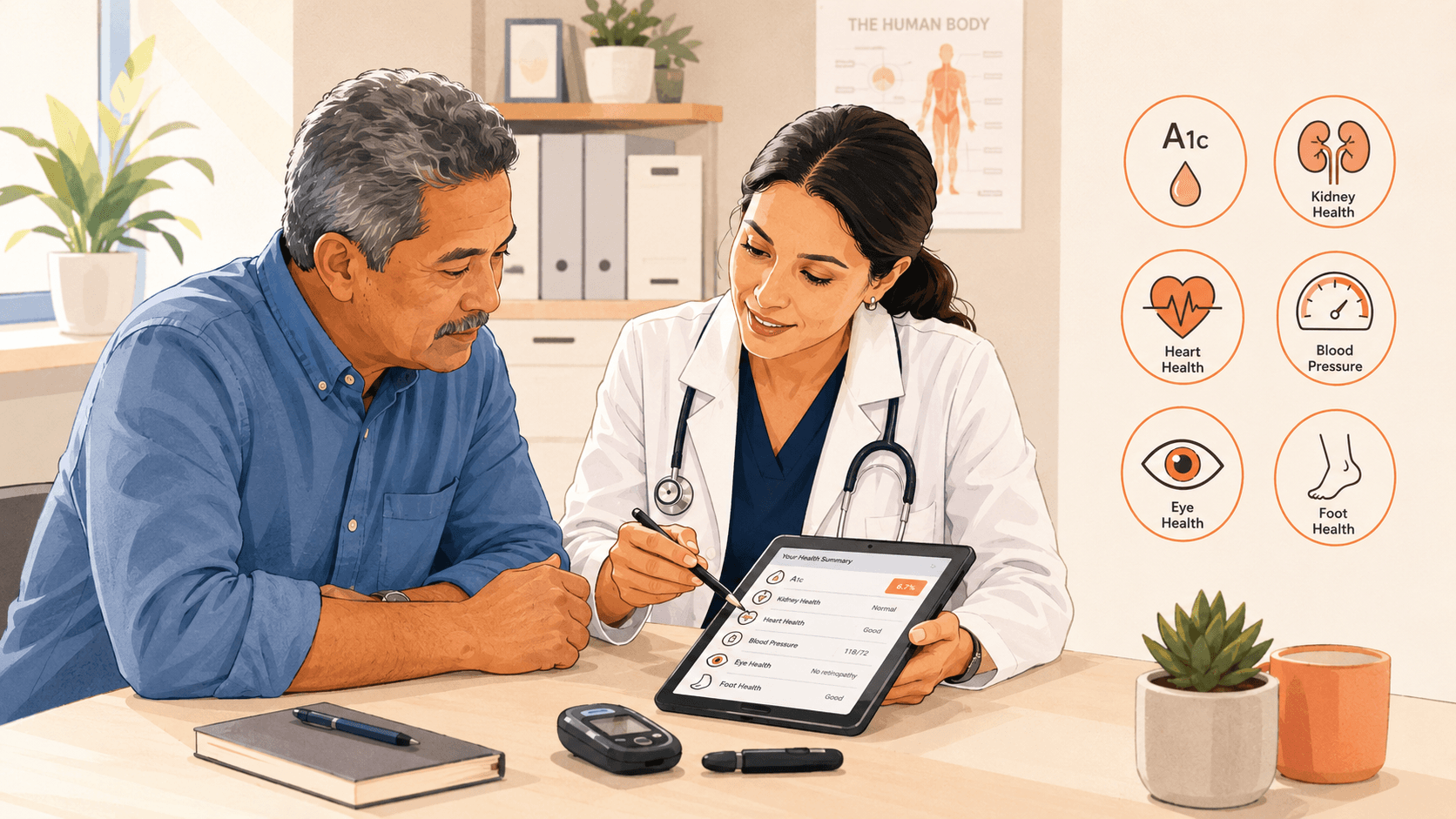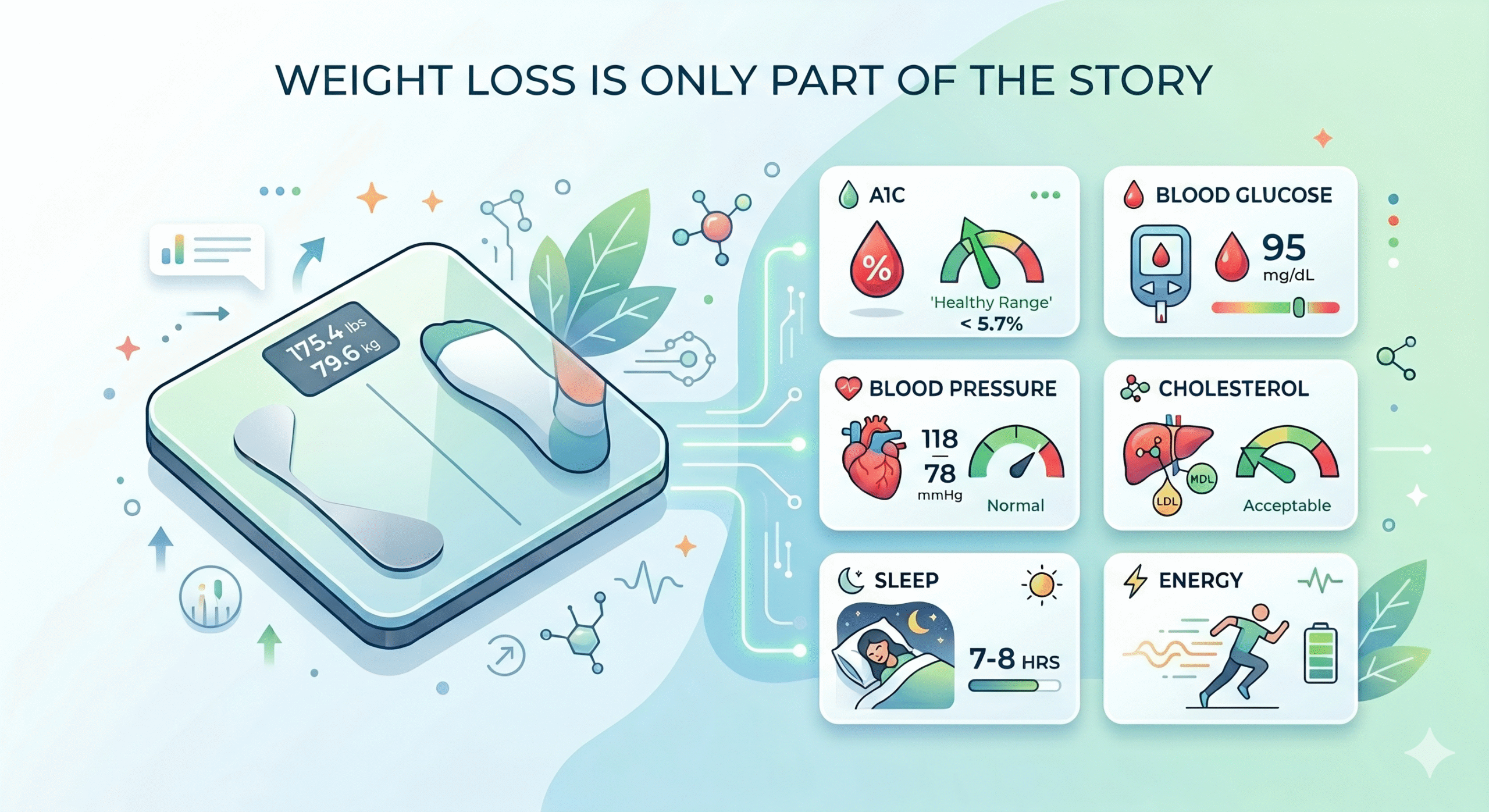
CGM vs A1C is a common comparison in modern diabetes care. Did you know that more than 540 million people worldwide are living with diabetes in 2024? Managing diabetes effectively requires the right monitoring methods. Two of the most widely used tools today are CGM vs A1C . These approaches serve different but equally important roles in modern diabetes care.
This article will explore how CGM vs A1C works, their strengths and limitations, and when to use each method.
Definition: CGM vs A1C
What is CGM?
Continuous Glucose Monitoring (CGM) is a technology that tracks blood sugar levels throughout the day and night. It uses a small, minimally invasive sensor applied to the skin to measure glucose levels in real-time, providing continuous updates about your blood sugar trends to monitor hypoglycemic or hyperglycemic events and take appropriate action.
What is A1C?
A1C, or glycated hemoglobin, is measured with a blood test that reflects an average of your blood sugar levels over the past two to three months. It calculates the percentage of hemoglobin in the blood that is coated with sugar, offering a long-term view of glucose control to help prevent complications such as nerve damage, kidney disease, and cardiovascular issues.
How It Works: CGM vs A1C?
How CGM Works
A small sensor is placed on the skin surface, usually on the arm or abdomen, to continuously measure glucose levels in interstitial fluid (the fluid surrounding your cells). The data is transmitted to a device or smartphone app, allowing users to see their glucose trends in real-time and receive alerts for high or low blood sugar.
How A1C Works
A blood sample is taken, typically in a doctor’s office or lab. The test measures the percentage of hemoglobin in your blood that is coated with sugar, which contributes to the development of diabetes-related complications.
Strengths: CGM vs A1C
Strengths of CGM
- Provides real-time updates on glucose levels, helping users make immediate decisions about food, activity, or medication.
- Tracks patterns and trends, offering insights into how daily habits affect blood sugar.
- Alerts users to dangerous highs (hyperglycemia) or lows (hypoglycemia) to prevent emergencies.
Strengths of A1C
- A1C can predict the risk of diabetes complications such as cardiovascular disease, neuropathy, nephropathy, retinopathy, and foot ulcers.
- Offers a long-term overview of blood sugar control, helping healthcare providers assess the effectiveness of a treatment plan.
- The OBM rapid A1c solution will require minimal setup and nearly no maintenance-just a simple blood test. However, current A1C analyzers require setup and maintenance, which is generally very complicated.
- OBM rapid A1c aims to make A1C testing widely available, to make it accessible to most patients. In many cases today, A1C testing is not easily accessible to all patients as they need to visit a hospital or lab for accurate results. Some clinics draw patients’ venous blood and send it to the lab to outsource the A1C test. Point of care A1C machines are also not always available or accurate.
Limitations: CGM vs A1C
Limitations of CGM
- Does not reflect the overall state of glucose management or progress, nor can it predict the risk of diabetes complications.
- Still requires frequent calibration with blood glucose monitoring (BGM).
- Can be costly, especially for those without insurance or in areas with limited access.
- Requires regular sensor replacements and device maintenance.
- May provide slightly delayed readings compared to blood glucose testing.
Limitations of A1C
- Does not reflect daily fluctuations in blood sugar levels.
- Does not offer immediate feedback or alerts for high or low glucose levels.
- As described above, current solutions can be complicated to set up and maintain, and are not readily accessible to all patients.
- Can be less accurate in individuals with certain conditions, such as anemia or other hemoglobin disorders.
CGM vs A1C: Key Differences
Comparison Table
| Feature | Continuous Glucose Monitoring (CGM) | A1C (Glycated Hemoglobin Test) |
|---|---|---|
| Timeframe Covered | Tracks glucose in real-time, 24/7 | Reflects average blood sugar over 2-3 months |
| Data Type | Provides minute-by-minute glucose trends | Offers a standardized, single percentage |
| Alerts | Real-time alerts for high or low glucose levels | No alerts; test result serves as an assessment tool for treatment |
| Use Case | Ideal for day-to-day glucose management; prevents hyperglycemia or hypoglycemia, especially for T1D and T2D under intensive insulin therapy | Best for long-term glucose control analysis; required for all people with diabetes or pre-diabetes who want to manage their diabetes |
| Cost | More expensive due to device and sensor costs | OBM rapid A1c aims to be affordable and widely accessible, while current solutions are more costly |
| Ease of Use | Requires setup and regular maintenance | OBM rapid A1c is designed to be a simple test with minimal blood sample, although current A1C tests are more complicated |
Detailed Comparison: CGM vs A1C
- 1. Timeframe Covered (Real-Time vs. Long-Term Average)
- CGM: Helps users understand the impact of daily activities such as meals, exercise, and sleep on their glucose levels.
- A1C: Reflects the average glucose levels over a period of 2-3 months. It gives a broad view of how well diabetes has been managed over time but doesn’t show daily fluctuations.
- 2. Practical Use Cases (Day-to-Day Management vs. Overall Control)
- CGM: Perfect for individuals needing to closely monitor their glucose levels throughout the day, especially those on insulin therapy or prone to hypoglycemia. It helps adjust insulin doses and track how lifestyle choices affect glucose.
- A1C: Best for assessing long-term glucose control and the effectiveness of a diabetes treatment plan. It is often used for screening and diagnosing diabetes or pre-diabetes, as well as for regular monitoring to evaluate overall diabetes management and help prevent complications.
- 3. Accessibility and Affordability
- CGM: While highly effective, CGM devices can be expensive due to the cost of sensors, transmitters, and associated apps or software. Availability may also be limited in low-resource settings.
- A1C: OBM rapid A1c aims to make A1C testing widely available, affordable, and simple to perform. This would make it a more accessible option for people in underserved areas. Current solutions are not readily available and affordable for all patients.
When Should You Use: CGM and A1C test?
When to Use Continuous Glucose Monitoring (CGM) system?
- 1. For Real-Time Glucose Monitoring
If you need to monitor your blood sugar levels multiple times throughout the day and night, CGM is an excellent choice. It provides real-time data, helping you identify how meals, exercise, or stress impact your glucose levels immediately.
- 2. For Managing Hypoglycemia or Hyperglycemia
CGM devices are ideal for people who are prone to sudden blood sugar fluctuations, especially those at risk of hypoglycemia (low blood sugar) or hyperglycemia (high blood sugar). The device’s alerts can prevent emergencies by warning you in real time.
- 3. For Intensive Insulin Management
If you require frequent insulin adjustments, such as individuals with Type 1 diabetes or advanced Type 2 diabetes, CGM helps fine-tune insulin doses by providing detailed insights into glucose trends.
- 4. During Lifestyle or Medication Changes
CGM is useful when starting a new diet, exercise program, or medication. It helps you understand how these changes impact your glucose levels and allows for timely adjustments.
When to Use A1C Testing
- 1. For Long-Term Glucose Control Assessment
A1C is the go-to test for evaluating your overall diabetes control over the past 2-3 months. It’s especially useful during routine check-ups to measure how well your treatment plan is working.
- 2. For Diagnosing Diabetes
If you’re at risk for diabetes or suspect you may have it, A1C testing is the most reliable diagnostic method. A reading of 6.5% or higher indicates diabetes.
3. For People with Stable Diabetes vs. Unstable Diabetes
According to ADA Guidelines, A1C testing should be performed routinely in all people with diabetes at initial assessment and for continuing care. Adults with stable diabetes may do well testing only twice per year. (Patients with stable diabetes also generally would not benefit much from BGM or CGM.) On the other hand, unstable or intensively managed individuals may require testing more frequently (every 3 months, with interim assessments as needed). POC A1C testing may provide more timely treatment changes when individuals with diabetes meet healthcare professionals.
- 4. For Achieving Individualized Goals
A1C goals should be individualized by an individual’s health, function, and other modifying factors. In some cases, it is not necessary to invest in excessive technology or continuous tracking. More often, A1C testing is recommended to monitor whether glycemic goals have been reached and maintained.
Using Both CGM and A1C
- Use CGM for day-to-day management and immediate decision-making.
- Use A1C for long-term evaluation of glucose control.
- Many individuals benefit from combining both methods for a more comprehensive understanding of their diabetes management.
Why CGM and A1C Complement Each Other?
A Comprehensive View of Diabetes Management
- A1C offers a long-term perspective on blood sugar control by reflecting the average glucose levels over 2-3 months.
- CGM, on the other hand, delivers real-time data, showing the daily patterns and fluctuations in glucose levels.
- A stable A1C level might indicate good long-term control, but CGM can reveal hidden highs and lows that A1C alone would miss.
- CGM data can help individuals and their doctors adjust insulin doses or lifestyle habits to avoid hypo/hyper glycemia, while A1C tracks the overall effectiveness of those changes over time to avoid complications.
Personalized Care and Better Decision-Making
- 1. Careful Monitoring
Glycemic control through the use of oral medications or insulin is a fundamental aspect of diabetes management, aimed at reducing A1C levels and minimizing the risk of diabetes-related complications. However, these treatment strategies can also increase the risk of hypoglycemia episodes, necessitating careful monitoring.
- 2. Fine-Tuning Treatment Plans
CGMs are particularly valuable and recommended for individuals on intense insulin therapy or patients who adjusted their treatment plan, as they play a vital role in detecting and reducing hypoglycemia episodes.
- 3. Empowering Patients
Overall, both CGMs and A1C meters are critical methods for optimizing glycemic control, enabling the achievement of A1C targets while minimizing the risk of hypoglycemia and supporting personalized diabetes management strategies.
Why This Combination Matters?
- Identify patterns and potential risks.
- Adjust treatments informed by reliable and actionable data.
- Achieve both immediate and sustained glucose control.
Technological Advances in Diabetes Management
Innovations Making Diabetes Care More Accessible
- Efficient and Quick Results: With the OBM rapid A1c, patients will be able to get lab-accurate results in just five minutes, making it ideal for both clinics and home use.
- Portable and Convenient: Its compact design will allow for testing anywhere, eliminating the need for complex lab equipment.
- Minimal Sample Requirement: The device uses just a tiny drop of blood, reducing patient discomfort and eliminating the need for venous blood draws, making it accessible and easy for anyone to use.
- Improved Accessibility: By removing barriers like cost and complexity, solutions like the OBM rapid A1c ensure that more people, even in underserved areas, can access reliable diabetes monitoring.
Emerging Trends in Diabetes Management Technology
- 1. Integration of CGM with Mobile Apps
- Real-Time Alerts: Notifications for high or low blood sugar levels, ensuring timely action.
- Data Visualization: Detailed charts and graphs help patients and healthcare providers identify patterns and make data-driven decisions.
- Remote Monitoring: Caregivers and doctors can access glucose data remotely, providing better support for patients who may need regular supervision.
Modern CGM systems are now seamlessly integrating with smartphones and wearable devices, offering:
- 2. AI-Driven Insights for Personalized Care
- Predictive Analytics: AI can predict potential glucose spikes or drops, helping patients take preventive measures.
- Diet and Exercise Guidance: Personalized plans based on how specific foods or activities affect an individual’s glucose levels.
- Automated Insulin Delivery: Some systems are integrating AI to work with insulin pumps, mimicking a “smart pancreas” to maintain optimal glucose levels automatically.
Artificial intelligence is playing a growing role in diabetes management by analyzing large amounts of glucose data to offer tailored recommendations:
- 3. Non-Invasive Monitoring
Research is advancing towards non-invasive glucose monitoring technologies that don’t require skin pricks or sensor insertions. These emerging methods use components like light-based sensors or saliva testing to provide glucose readings comfortably.
The Future of Diabetes Care
- CGM provides real-time data, helping individuals monitor daily glucose patterns and make immediate adjustments.
- A1C offers a long-term perspective, giving a clear picture of overall glucose control over the past 2-3 months.
FAQs
- Cost: They can be expensive due to the price of sensors, transmitters, and associated apps, especially for individuals without insurance.
- Maintenance: Regular sensor replacements and device setup are required.
- Accuracy: CGM readings can be slightly delayed compared to direct blood glucose testing.