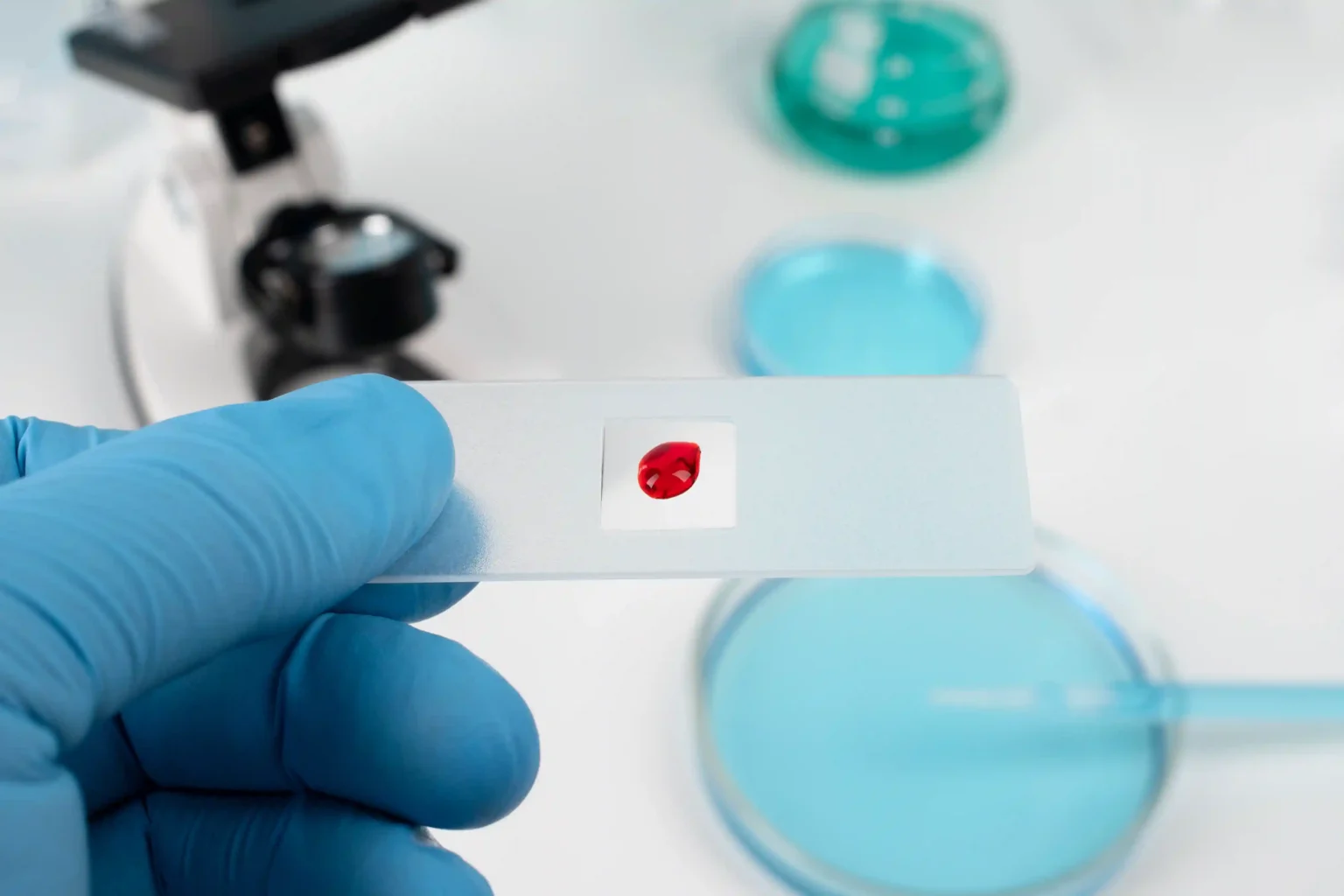
Orange Biomed team showcasing its A1C testing technology at the ADCES 2026 exhibition booth

Fresh back from ADCES 2026 in Columbus, Ohio, the Orange Biomed team is excited to share what we saw, heard, and experienced on the exhibition floor. As one of the major gatherings focused on diabetes care, education, and technology, ADCES offered a practical look at how new therapies, tools, and care models are being translated into real-world practice.

Returning to ADCES as an exhibitor for the second consecutive year gave us the opportunity not only to showcase our technology through live demonstrations, but also to reconnect with healthcare professionals and observe how conversations around diabetes care continue to evolve. From discussions at our booth to sessions on AI, GLP-1 support strategies, cardiometabolic care, and digital patient engagement, one theme came through clearly: innovation matters most when it is practical, accessible, and usable in everyday care.
In this recap, we share several key themes that stood out to us at ADCES 2026 and what they may mean for the future of diabetes monitoring, education, and patient-centered care.

Why ADCES Matters in Diabetes Care

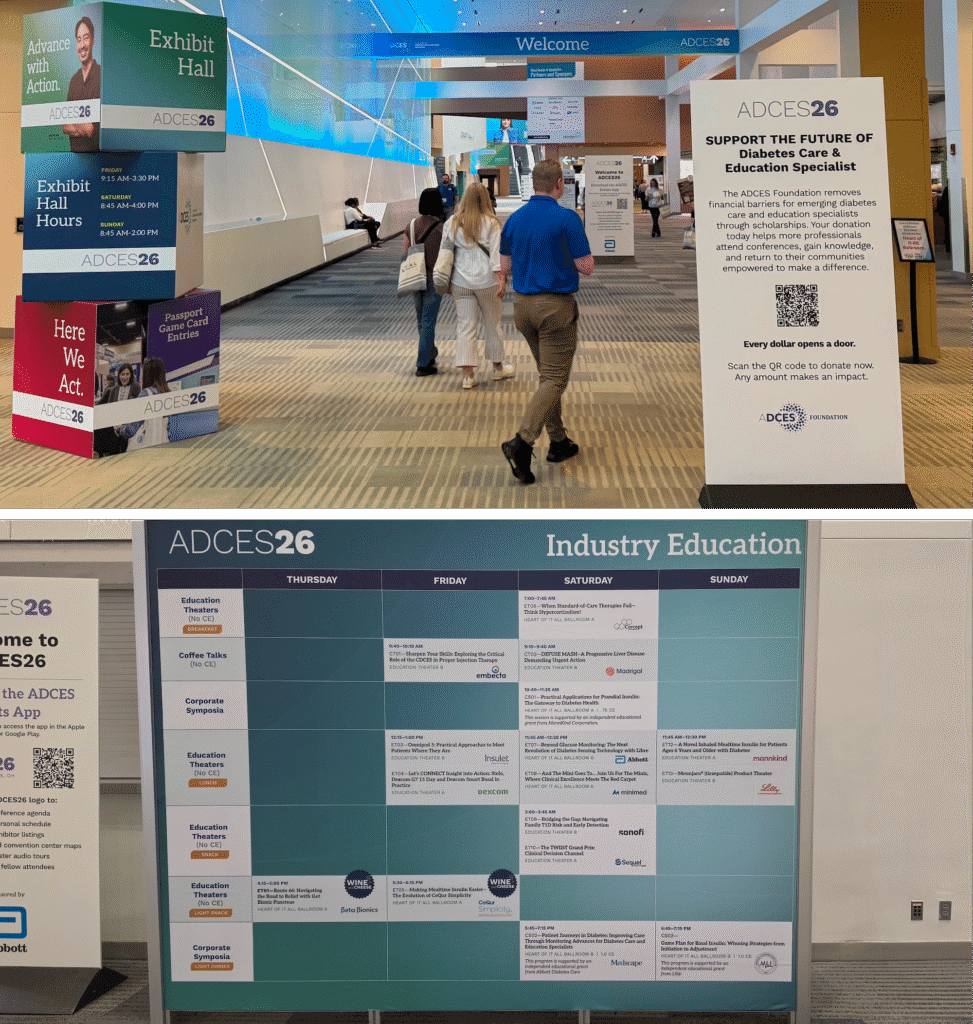
Attendees entering the ADCES 2026 exhibit hall in Columbus, Ohio
ADCES is more than a conference about new products or clinical updates. It is a meeting point for diabetes care and education specialists, clinicians, researchers, and technology leaders focused on one of the most important questions in diabetes care: how do we help people turn information into action?
That focus makes ADCES especially relevant. While some conferences lean more heavily towards early-stage research or high-level innovation, ADCES is grounded in implementation. It highlights how education, workflow, coaching, digital tools, and care delivery models shape what happens between clinic visits and in the daily realities of diabetes management.
For Orange Biomed, that perspective is especially meaningful. Diabetes data only becomes useful when patients can understand it, providers can act on it, and care team can integrate it into real-world decision-making. ADCES 2026 reinforced how important it is to close the gap between having health data and actually using it well.

AI Is Moving From Buzzword To Practical Tool

Track: Technology Integration

Related Sessions:

  • (GS03) Reimagining Diabetes Care: The Transformative Role of AI in Health Tech
  • (D07) Empower Your Practice: Why AI Won’t Replace DCES- But DCESs Without AI Will Be Left Behind
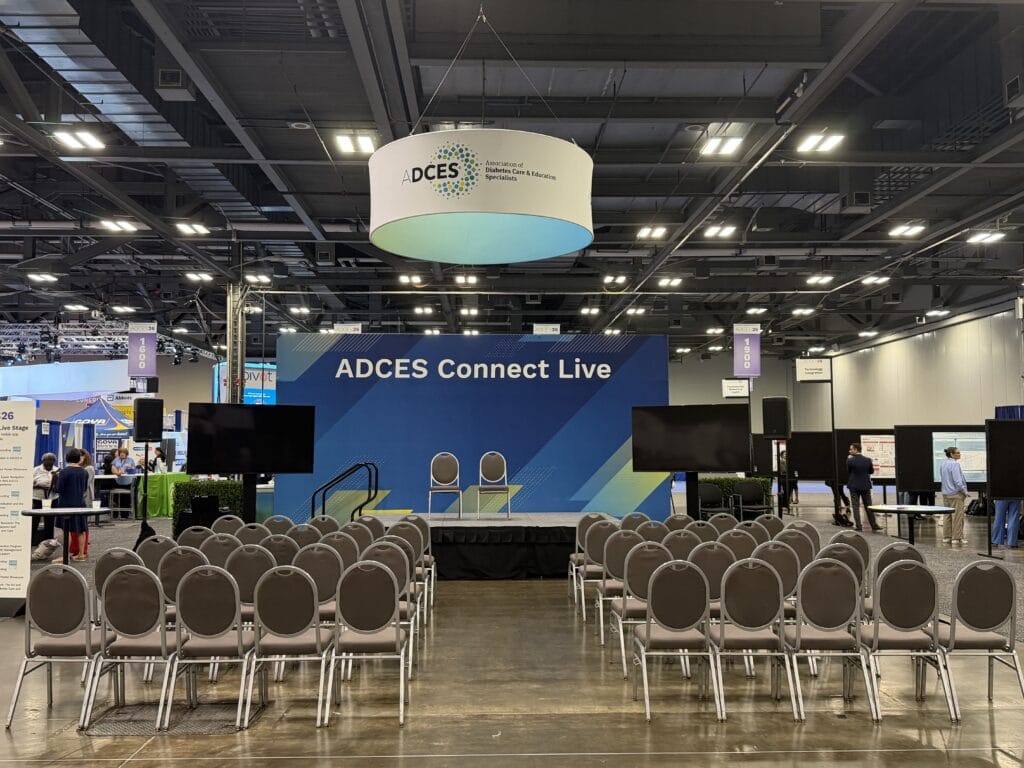
One of the strongest signal from ADCES 2026 was that AI is no longer being discussed only as a futuristic concept. It is increasingly being framed as practical tool that can support diabetes education, patient communication, documentation, and clinical workflow.
Across sessions, the emphasis was not on replacing diabetes care and education specialists, but on expanding what they can do. AI was positioned as a way to improve access to information, reduce documentation burden, support nutrition counseling and education, and strengthen patient engagement. In other words, the conversation was less about automation for its own sake and more about making care more efficient, more responsive, and more scalable.
What stood out to us was how strongly this aligned with real-world care needs. In diabetes management, information is only useful if it can be understood and applied in time. That is exactly where AI may become most valuable—not as a replacement for human care, but as a tool that helps translate complexity into more actionable support.

Why it matters:

For diabetes care teams, the future of AI may be less about disruption and more about integration. The question is no longer whether AI will appear in diabetes care, but how it can be used in ways that actually improve education, workflow, and decision-making.

GLP-1 Success Depends on More Than the Prescription

Track: Lifestyle, Nutrition, and Prevention

Related sessions:

  • (F21) Maximizing GLP-1 Success: Nutrition and Lifestyle Strategies That Work
  • (S19) Keeping Participants Engaged in the GLP-1 Era: Strategies for DSMES and DPP Providers

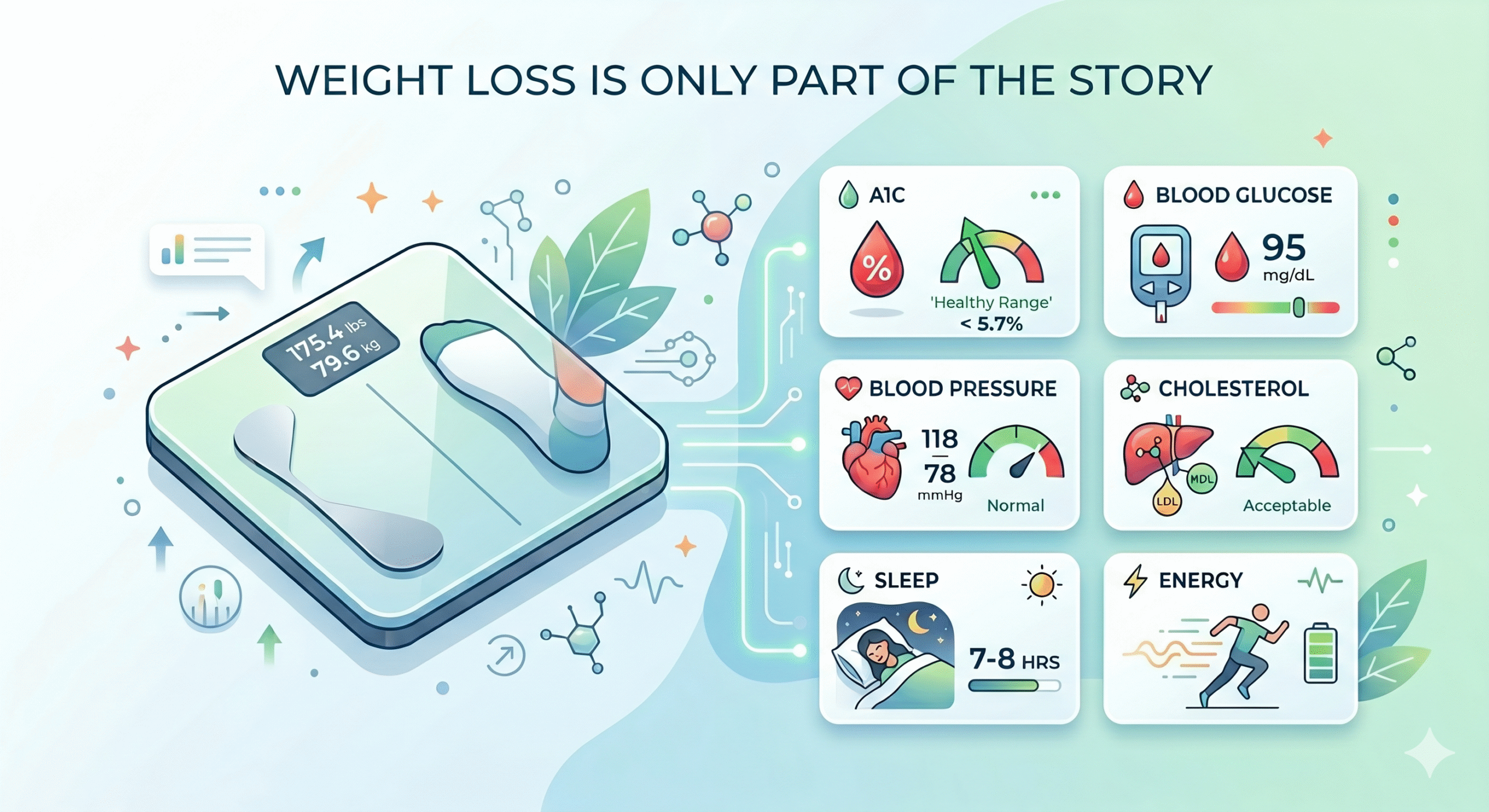
Another major theme at ADCES 2026 was that GLP-1 therapies are not being discussed simply as powerful diabetes or obesity medications. Increasingly, the conversation is shifting toward what it takes to help people succeed on these therapies over time.
Sessions emphasized that side effect management, nutrition support, lifestyle strategies, DSMES, and long-term patient engagement remain essential. Even as treatment options evolve, behavior change and sustained support still matter. In that sense, the role of the DCES is not shrinking in the GLP-1 era—it is expanding.
What we found especially interesting was the focus on persistence and participation. The challenge is not just helping people start a treatment, but helping them stay engaged, supported, and informed enough to continue successfully. That moves the conversation beyond the medication itself and back toward the broader care model around it.

Why it matters:

GLP-1 therapies may be changing treatment pathways, but they do not eliminate the need for education, coaching, and monitoring. If anything, they make the support system around treatment even more important.

A1C Still Matters — But the Monitoring Conversation Is Expanding

Track: Cardiometabolic Conditions and Treatment Options

Related sessions:

  • (S09) The Wizard of A1C: Unveiling the New Standards of Diabetes Care and Medications in the Pipeline
  • (F19) From A1C to FIB-4: Practical Guidance on MASLD and MASH for the DCES
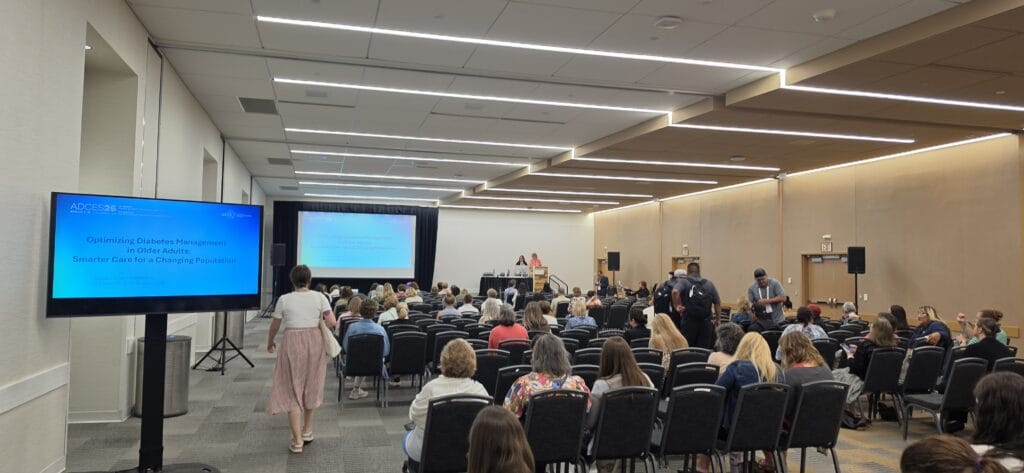
Diabetes Care at ADCES 2026
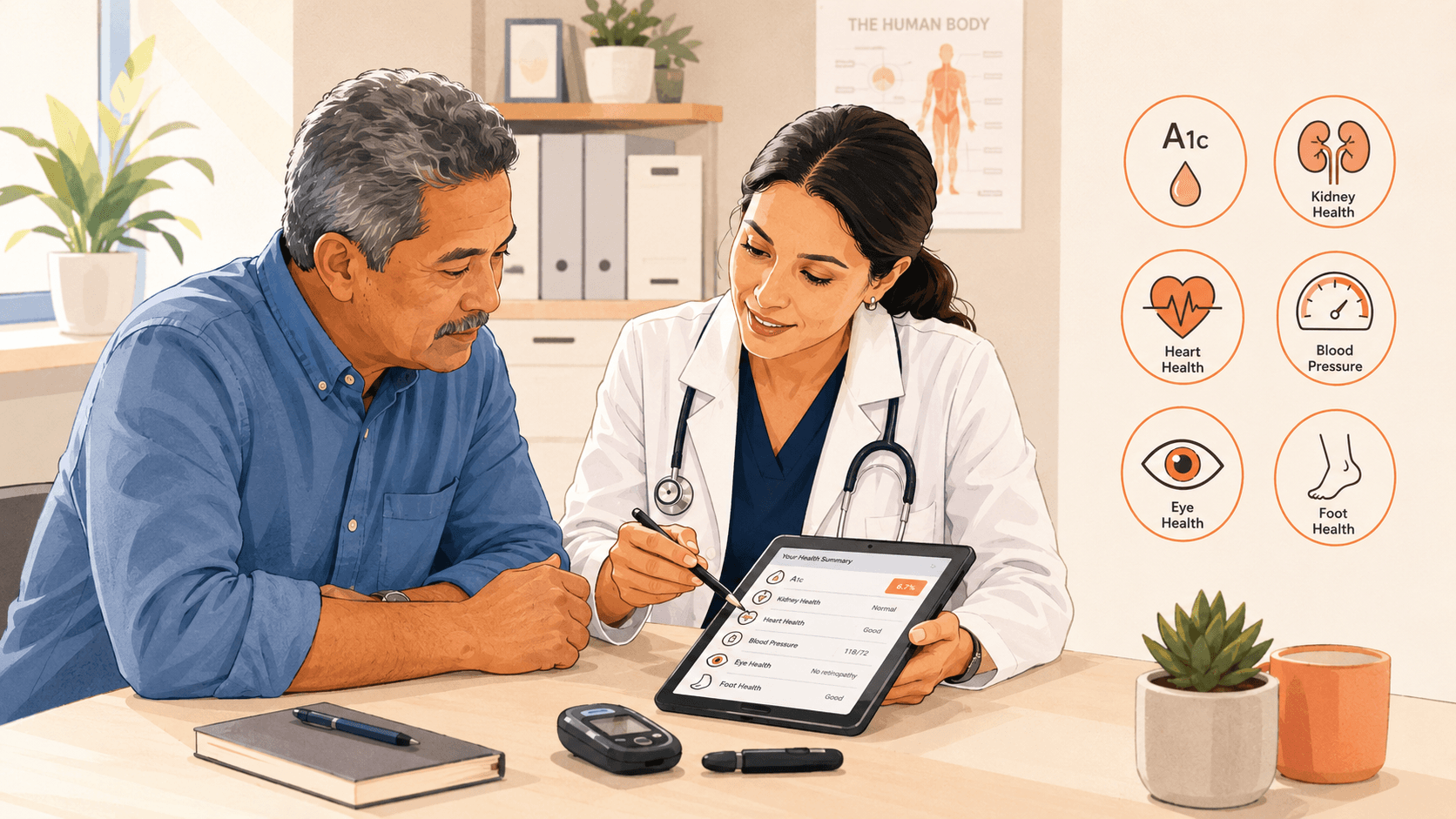
A1C remained a clear anchor in discussions around diabetes management, but the broader context around monitoring is evolving. Sessions pointed to the importance of staying current with the 2026 ADA Standards of Care, understanding the expanding treatment landscape, and recognizing that diabetes management increasingly overlaps with broader cardiometabolic care.
That overlap was especially visible in discussions around MASLD and MASH. These liver-related conditions are highly prevalent among people with type 2 diabetes, yet they are often under-recognized in day-to-day care. The message was not that A1C matters less, but that diabetes care increasingly requires providers to think beyond one number or one organ system.
This was a notable takeaway for Orange Biomed as well. A1C remains one of the most important measures of long-term glucose management, but it sits within a wider clinical picture that includes liver health, cardiometabolic risk, treatment changes, and complication prevention.

Why it matters:

The future of diabetes monitoring is not about replacing A1C. It is about placing A1C within a broader, more connected understanding of metabolic health.

Health Equity and Digital Communication Are Reshaping the Role of the DCES

Track: Equitable Care for Diverse Individuals and Populations(Health Equity)

Related sessions:

  • (F22) From Clinic to Clicks: The Impact of Social Media on the Evolving Role of the DCES
  • (S01C) Social Media–Based DSMES for Adults With Type 2 Diabetes: A Systematic Evaluation of Outcomes

Center stage at ADCES 2026
Another important theme from ADCES 2026 was the growing role of digital communication in diabetes care. More patients are turning to online platforms and social media for answers before they ever speak with a healthcare professional. That creates both opportunity and risk.
Sessions explored how social media is changing diabetes education, how digital platforms may improve access and engagement, and how the DCES role may continue to evolve in response. What stood out was that this is no longer a side topic. It is increasingly part of how people encounter information, form opinions, and decide what to do next.
For Orange Biomed, this raised an important question: how can diabetes information be made more understandable, trustworthy, and practical in the places where people are already looking for it?

Why it matters:

Health equity is not only about access to treatment. It is also about access to useful information, understandable education, and digital tools that support better decisions in everyday life.

What This Means for the Future of Diabetes Care
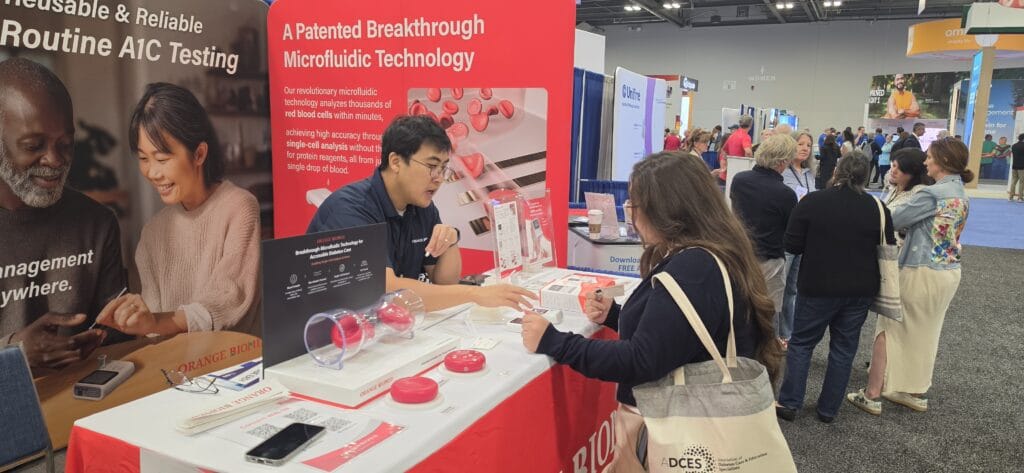
Orange Biomed team demonstrating A1C testing technology to attendees at the ADCES 2026 exhibition booth
Looking back on ADCES 2026, one theme connected nearly everything we saw: diabetes care is moving toward models that are more integrated, more practical, and more patient-centered.
AI is becoming more usable in care delivery. GLP-1 support is becoming more behavior-focused. A1C is still central, but it is being placed within a broader cardiometabolic picture. Digital engagement is no longer optional. And across all of it, the question is becoming less about whether new tools exist and more about whether they can make a real difference in everyday care.
That matters to us at Orange Biomed. As a company focused on making A1C testing more accessible and practical, we see strong alignment between what was emphasized at ADCES 2026 and the future we believe diabetes care is moving toward: one where people need not only better data, but better ways to understand and act on it.

Conclusion

ADCES 2026 offered a valuable reminder that innovation in diabetes care is not only about what is new. It is about what is useful.
From AI-enabled support tools to evolving GLP-1 care strategies, expanded cardiometabolic monitoring, and new forms of digital engagement, the conference showed how diabetes care is becoming more connected to the realities of daily life. For Orange Biomed, that made this year’s event especially meaningful.
Returning to ADCES for the second year in a row gave us the chance not only to share our technology, but also to listen, learn, and see where the field is headed next. We left Columbus with a clearer sense that the future of diabetes care will be shaped not just by new innovations, but by how well those innovations fit into real-world patient care.

Want to learn more about how Orange Biomed is working to make A1C monitoring more practical and accessible?

Explore our approach to at-home A1C testing and see how we’re thinking about the future of diabetes monitoring.