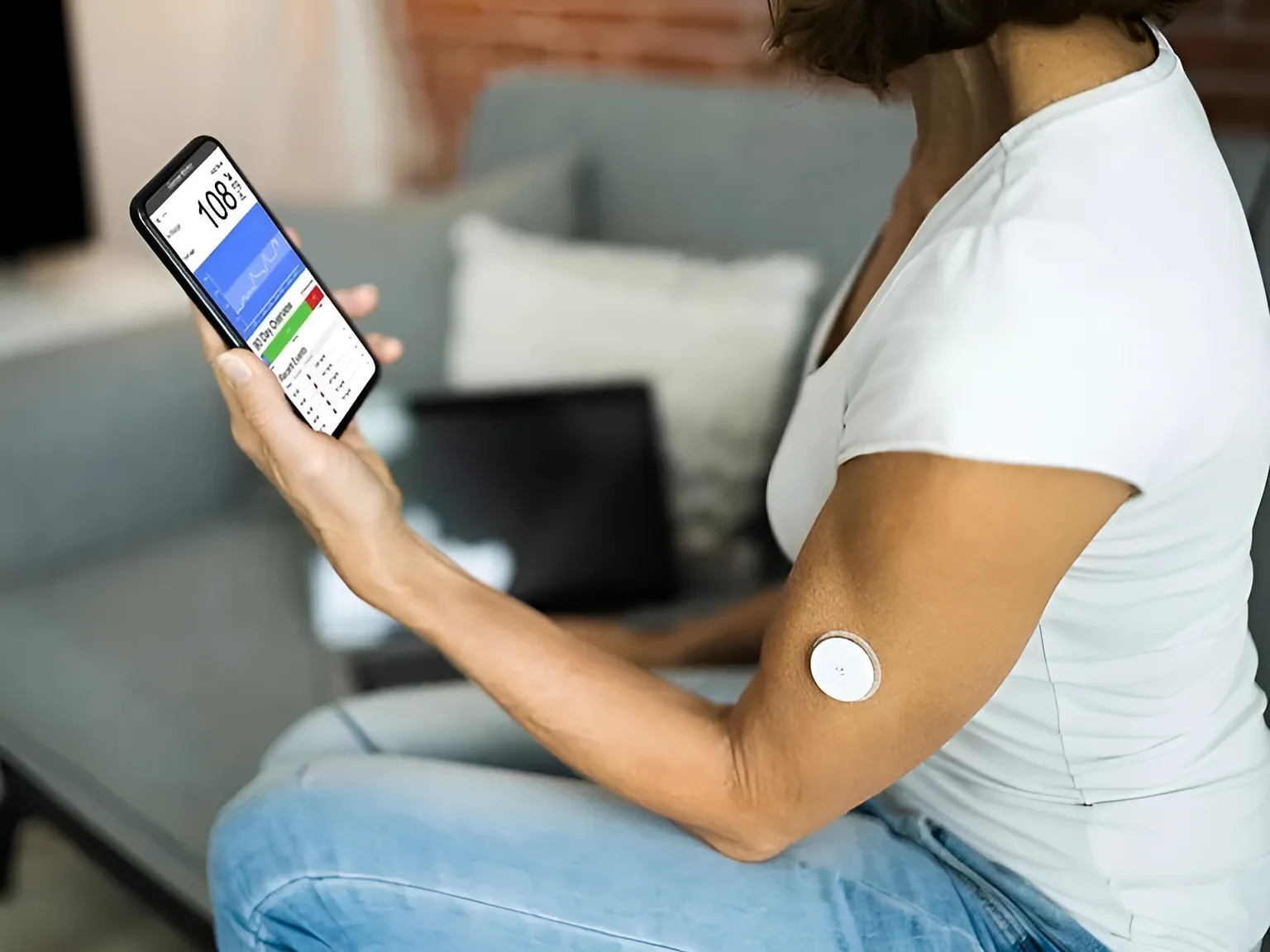
According to a report posted on Healio, recent studies have shown that there are several challenges associated with diabetes technology for older adults, particularly when using continuous glucose monitoring devices (CGMs). These challenges include inaccurate results, device adhesion issues, and limited smartphone access among adults aged 50 to 85 living with type 1 or type 2 diabetes.
Understanding Diabetes Technology for Older Adults: Key Usability Challenges
Overall, there needs to be greater education and understanding of how older populations interact with newer and less familiar diabetes technology for older adults. Improving usability and accessibility will be critical to ensuring these innovations deliver meaningful health outcomes in real-world settings.
Michael Weiner, MD, MPH, research scientist at the Center for Health Services Research at the Regenstrief Institute and the department of medicine at Indiana University, explains,
“This is a whole area of health technology that needs study. There’s hardware involved, which is the device itself. There’s software involved, which is reading, organizing, interpreting and communicating the data from the device. Knowing how the technology works in the real world and the impact of the technology on usability and ultimately on health outcomes is important.”
As a result, a study has been conducted to provide healthcare professionals with more insight into the area of concern. Below are the results of said study.
Results of a Study on Older Populations’ Diabetes Device Management
Researchers enrolled ten adults with diabetes (seven Black adults and three white adults) aged 50 to 85 who were patients at an Indiana safety-net institution. In the 10-14 day study, the adults used a CGM, physical activity monitor, electronic medication bottles, and smartphones with prompts about behaviors and symptoms.
In this study, the participants had problems related to the failure of the continuous glucose monitor adhesive and reading the graphs on the devices.
A second study was conducted on adults with diabetes around 60 years of age. 59% of the participants were women, 67% were Black, 31% were white, and 1.4% responded ‘other.’
A survey before the second study showed that 23% of the participants never checked their blood glucose, 67% had hypoglycemia, and 19% had never used the internet.
In this study, the participants experienced several usability challenges with diabetes technology for older adults, particularly related to continuous glucose monitor adhesion failure and difficulty interpreting device graphs.
The second study’s results showed that “73% of participants had hypoglycemia with a glucose level of 70 mg/dL or lower, and 42% had clinically significant hypoglycemia with a glucose level below 54 mg/dL. Hypoglycemia was also identified among eight participants by home-based blood glucose measurement.” A third of the smartphone prompts were also left unanswered, and nearly a third of the participants had trouble with the CGM device adhesive.
Researchers also concluded that the participant’s worry or fear about low blood glucose was mainly unchanged.
How can healthcare professionals help older populations understand and improve the use of newer diabetes technologies?
Those in the U.S. diabetes community and the healthcare system need to understand that not all populations are knowledgeable about new technologies for diabetes care and the need for this proper care.
What is the solution to helping these older populations with newer, unfamiliar technologies?
In this study, the participants experienced several usability challenges with diabetes technology for older adults, particularly related to continuous glucose monitor adhesion failure and difficulty interpreting device graphs.
Follow Orange Biomed on social media to stay up-to-date on guided device solutions like OBM rapid A1c.
Source :