
Understanding Diabetes Health Inequity in Communities of Color
Diabetes health inequity has long been a critical issue in the United States, particularly among communities of color. Understanding how A1C testing supports early detection is critical in addressing these disparities. The effects of this widespread and persistent issue are devastating, resulting in higher prevalence and mortality rates for major conditions such as diabetes and cancer.
As a result, healthcare organizations and industry players are forming collaborations aimed at promoting health awareness and improving healthcare access in minority communities.
Industry Initiatives Addressing Diabetes Health Inequity
Ecosystem Players Address Alarming Health Trends in Communities of Color
In 2022, Bank of America partnered with some of the country’s leading public health organizations—the American Heart Association, the American Diabetes Association, the American Cancer Society, and the University of Michigan School of Public Health—to launch an initiative in 11 major U.S. cities to address alarming health trends in Black, Hispanic/Latino, Asian American, and Native American communities.
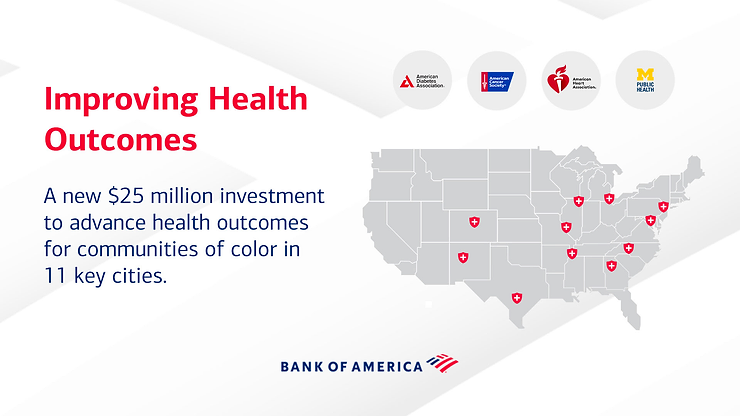
Source: American Cancer Society
The public health initiative is focused on the leading causes of death in communities of color: heart disease, cancer, stroke, and diabetes. In addition to this, these organizations strive to broadly improve minority health, considering maternal health, mental health, and nutrition.
For each city, the American Heart Association, the American Diabetes Association, and the American Cancer Society prioritized three key objectives: health education and capacity building, preventive healthcare and increasing access to health screenings, and healthcare advocacy for policies that will ensure fair opportunities and resources.
To effectively meet each city’s needs, their efforts were based on data collected from each unique region. For example, San Antonio, Philadelphia, Memphis, and Detroit have higher prevalence rates of diabetes than the national average of 8.3% with averages of 11.3%, 11.8%, 11.0%, and 10.7% respectively. In all 11 cities, diabetes prevalence was highest in areas with greater income inequality and less racial diversity. Black patients were found to have the highest death rates from cancer in all 11 cities as well.
Type 2 diabetes and certain types of cancer share joint risk factors. Educating communities of color about these shared risk factors can help raise health awareness and reduce the number of diagnoses, especially since many of these factors are within their control. These include factors such as weight, physical inactivity, smoking habits, and alcohol consumption. The sooner people are knowledgeable about the risks, the sooner they can take action in lowering them.
Why Early Testing and Education Are Critical to Reducing Diabetes Health Inequity
More Educational and Testing Initiatives are Ultimately Needed to Improve Health Outcomes for Minority Populations
In addition to education initiatives, expanding health screenings and early testing is essential to addressing diabetes health inequity. The earlier these diseases are caught, the better chances people have of fighting and hopefully, overcoming them.
Routine A1C testing, for example, is a more accurate method of testing for diabetes. Using point-of-care A1C testing devices would make this blood test as easy, efficient, and accessible as ever for people with diabetes or at risk of developing diabetes.
Investing in solutions such as these would directly help confront disparities in preventive care and treatment when it comes to race, ethnicity, and economic status.
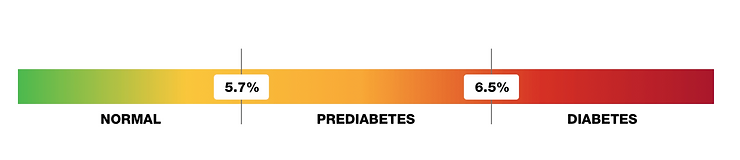
Source: American Diabetes Association
As Tawana Thomas-Johnson, Senior Vice President and Chief Diversity Officer at the American Cancer Society, states, “It is a moral imperative that we work together with communities to address these health needs and improve public policy to ensure no one is disadvantaged based on who they are or where they live.”
Change begins when healthcare leaders, industry stakeholders, and community organizations come together to develop targeted, locally relevant solutions. Addressing barriers to health education and expanding access to life-saving screening tools will play a critical role in reducing diabetes health inequity and advancing broader racial and health equity across communities in the United States.
Sources:
- https://www.cdc.gov/health-equity/what-is/?CDC_AAref_Val=https://www.cdc.gov/healthequity/whatis/index.html
- https://www.bankofamerica.com
- https://sph.umich.edu
- https://www.cancer.org
- https://diabetes.org
- https://www.heart.org
- https://diabetes.org/about-diabetes/a1c
- https://diabetes.org/about-diabetes/diabetes-prevention/diabetes-and-cancer
- http://pressroom.cancer.org/2022-05-06-Collaboration-Between-Leading-Health-Organizations-Aims-to-Improve-Health-Outcomes-in-Communities-of-Color