
Health problems in the U.S. disproportionately impact Black Americans due to gaps in health care, socioeconomic inequalities, and systemic racism. As a result, organizations such as the African American Diabetes Association (AADA) have emerged to support and empower groups impacted by these healthcare disparities, working toward health equity for all.
Background – Racial Disparities in Diabetes Diagnosis and Complications
Diabetes is one of the most significant contributors to these disparities. In the United States, Black adults are 60% more likely to be diagnosed with diabetes and twice as likely to die from diabetes compared to white people. They are also three times more likely to be hospitalized due to diabetes-related complications and twice as likely to undergo leg or foot amputation because of diabetes.
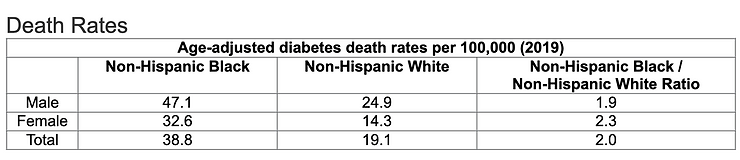
Source: U.S. Department of Health and Human Services, Office of Minority Health
These disparities largely stem from a long history of Black Americans lacking equitable access to healthcare education and services. The leaders behind the AADA understand this on a deeply personal level as many of them are Black men and women who have been diagnosed with prediabetes and diabetes themselves.
The AADA is Driving Public Health Initiatives for People with Diabetes Under Barbara King’s Leadership
AADA Co-Founder and Board Chair, Barbara King, M.ED, DVC, CFS, continues to manage diabetes while working to close care gaps, drawing on her own challenges with medical providers to expand diabetes support. After diagnosis, King was not informed about the complications she might experience, the procedures she would have to undergo or the steps she should take to prevent her health from getting worse.
Amplifying stories such as King’s is part of a focused effort to mobilize the community and implement culturally relevant interventions and engagement strategies.
Since February of 2023, the African American Diabetes Association has been hosting a Virtual Diabetes Workshop Series—free to all to attend—in which board members and featured guests share important information about diabetes and discuss the impact the disease and health disparities have had on the Black community’s health.

Source: African American Diabetes Association
This Virtual Workshop offers much-needed diabetes support to minority communities. On their “About Diabetes” page, key facts about Type 1 and 2 diabetes and its effects on people of all ages are crucial for communities of color to be aware of, especially when many marginalized people cannot rely on healthcare providers to fully educate them on these matters.
Why A1C Testing Matters for Health Equity
A1C testing plays a critical role in improving diabetes detection and advancing health equity across underserved communities. For example, the AADA’s “About Diabetes” page provides valuable diabetes education and resources, describing the A1C test as a “useful clinical tool for health professionals to diagnose or monitor diabetes and prediabetes.” By promoting diabetes awareness, more people can proactively manage their risk and take the initiative to get tested and understand their levels.
Next Steps for the U.S. to Better Support Communities of Color
Grassroots organizations such as the African American Diabetes Association often serve as first movers within their communities. They highlight the urgent need for healthcare advocacy and policy changes so that communities of color can access the care they deserve. Until more permanent change occurs nationally, the diabetes epidemic will continue to exacerbate health inequities. Nevertheless, thanks to the African American Diabetes Association and other nonprofits, those affected can take comfort in knowing they are not alone.
Sources: